

Moving the automotive industry in Atlantic Europe needs an ideal approach, especially when it comes to pre-owned vehicles. For several people, investing in a used car is really a economically sound decision that amounts affordability with reliability. Industry for browse used cars for sale in Nova Scotia has seen steady activity, pushed by wise customers seeking to steer clear of the high depreciation related to brand-new models.
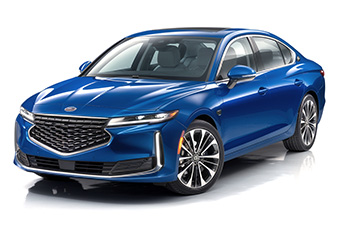
Whether you are in Halifax, Dartmouth, or rural areas, knowledge the subtleties of the area industry is essential. Listed here are the absolute most often asked issues concerning the obtain of pre-owned cars in the province, backed by industry insights.
Exactly why is the pre-owned industry currently outpacing new vehicle income?
The primary element operating the used vehicle market is depreciation. Mathematical knowledge indicates a new vehicle can eliminate as much as 20 per cent of their price within the very first year of ownership. By the third year, that depreciation may achieve almost 60 percent. For buyers in Nova Scotia, investing in a vehicle that is just two or three years of age suggests buying a vehicle that's already taken its greatest economic hit, providing a better value-to-cost ratio.
What particular issues do Nova Scotia vehicles experience?
Geography plays a substantial role in the life of a vehicle here. Due to the coastal atmosphere and the utilization of street salt throughout winter season, deterioration is really a statistically larger risk in Atlantic Europe compared to inland provinces. When researching inventory, it is critical to inspect the undercarriage and wheel wells for rust. An automobile that has been rust-proofed frequently will statistically have an extended lifetime and hold their resale price a lot better than one that's not.
Is just a Motor Vehicle Inspection (MVI) required?
Sure, the Motor Car Examination is just a cornerstone of path security in the province. Under Nova Scotia regulations, an applied car will need to have a legitimate safety inspection sticker. If you acquire from the vendor, the tag is often up-to-date upon sale. If the existing tag is valid at under 30 times during the time of transfer, a new inspection is required. This regulatory stage ensures that statistically, less harmful vehicles are on our highways, guarding both the buyer and the public.
Which vehicle body types are statistically most popular in the location?
Given the variable temperature habits, including major snowfall and freezing situations, All-Wheel Travel (AWD) and 4-Wheel Travel (4WD) cars maintain the best need in Nova Scotia. SUVs and trucks tend to carry their price longer in that place in comparison to small sedans or rear-wheel-drive activities cars. Nevertheless, for town operating in metropolitan centers like Halifax, lightweight cars remain a functional and fuel-efficient choice.

Just how can consumers verify the annals of a car?
Visibility is critical in the professional automotive industry. Dependence on vehicle record reports is becoming typical practice. These studies give knowledge on accident history, lien position, and enrollment history. Data reveal that vehicles with a clear record record sell faster and command a lighter industry price. It's strongly suggested to request that certification before completing any transaction.
Making the Proper Selection
Discovering the right car requires handling your allowance with the facts of driving in Nova Scotia. By emphasizing vehicles with recorded preservation, legitimate inspections, and proper functions for the environment, you can secure a trusted method of transportation that serves you well for years to come.